A naïve universal carry cart
A few years ago I was fortunate enough to travel to Uganda. The East African land locked country shares Lake Victoria with several other countries. I was enchanted by the kindness of the people, the beauty of the country and the fertility of the soil.
During my short touristic visit, I was able to go to three wildlife parks, which were sensational. The sight of wart hogs marching across a road was (and is) surreal. Like all other city dwelling Europeans, to witness life in the wild, seeing animals and plants ostensibly free from human control is, exhilarating. Other more eloquent writers, poets and artists have remunerated on Africa and the thrilling wildlife.
Whilst I felt roused by the land, I was startled by the lack of infrastructure and like many before me, felt that, there must surely be a better way. Whilst sitting in our air-conditioned van travelling around the beautiful country I noticed that local Ugandans were carrying water on their heads, or on push bikes. Push bikes were used to transport all sorts of goods, from farmed plantain, bananas to firewood. To me, this seemed, pretty inefficient. Also, on my journeys in the car, I noticed that we frequently passed small factories producing bespoke metal gates, doors and posts. These, from my rather remote vantage point seemed skilfully locally constructed.
So, I felt a calling, I had the time, as I was sitting in a van for hours on end. I had a problem, local Ugandan’s transporting goods inefficiently and I had a potential local solution, the local population are extremely good blacksmiths.
With the missionary zeal, the ego larger than Lake Victoria I decided, that surely I could (whilst on holiday), design, commission, build, and prove a simple reproducible transportation solution. Three years on, I now recognise my naivety, my ignorant approach to complex problems. So, this work is a confessional, I Sanjeev Chaddha was (and am) a simple-minded, sincere sucker.
So, readers, what was the idea I had? What was the design? What were the outcomes?
The idea was to have a series of products which would simplify our Ugandan brothers and sisters lives. So, rather than design the products, I started with the brand… foolish, frivolous nonsense. I decided on three distinct products…
- the lugger, a hand cart inspired product that could easily and cheaply be produced.
- The bugger, a bike based product which would be geared towards carrying load
- The chugger, a motor vehicle based on a small 1950s van designed to be constructed and repaired locally. Crucially, the chugger would need to be able to re-use existing engines and remount them onto thr “chugger” frame.
I chose these names, primarily, I liked the word Bugger, in the West of England, the word is vagually rude and it made me laugh. I am but a child in a mans body.
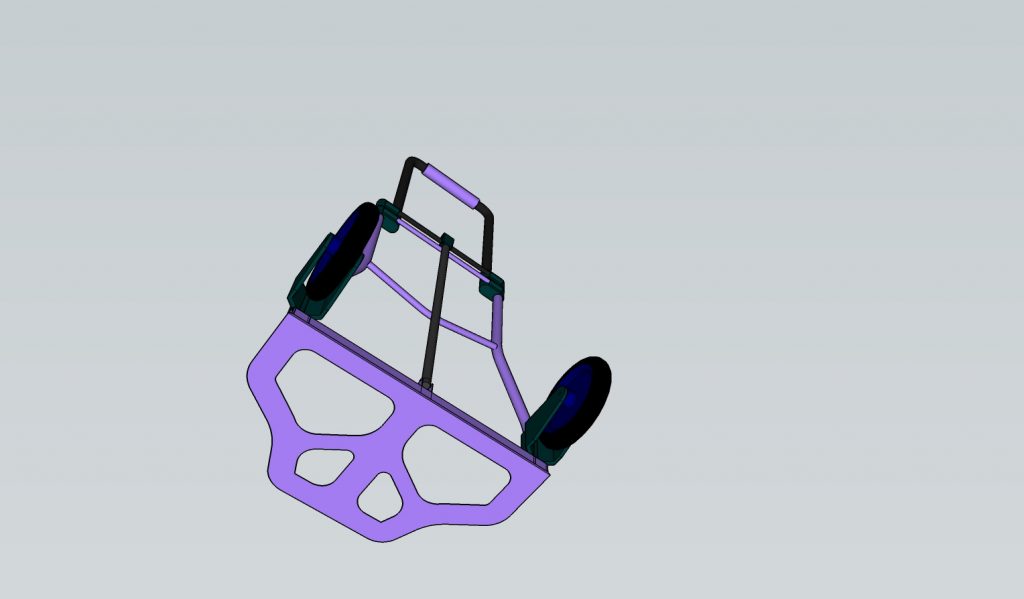
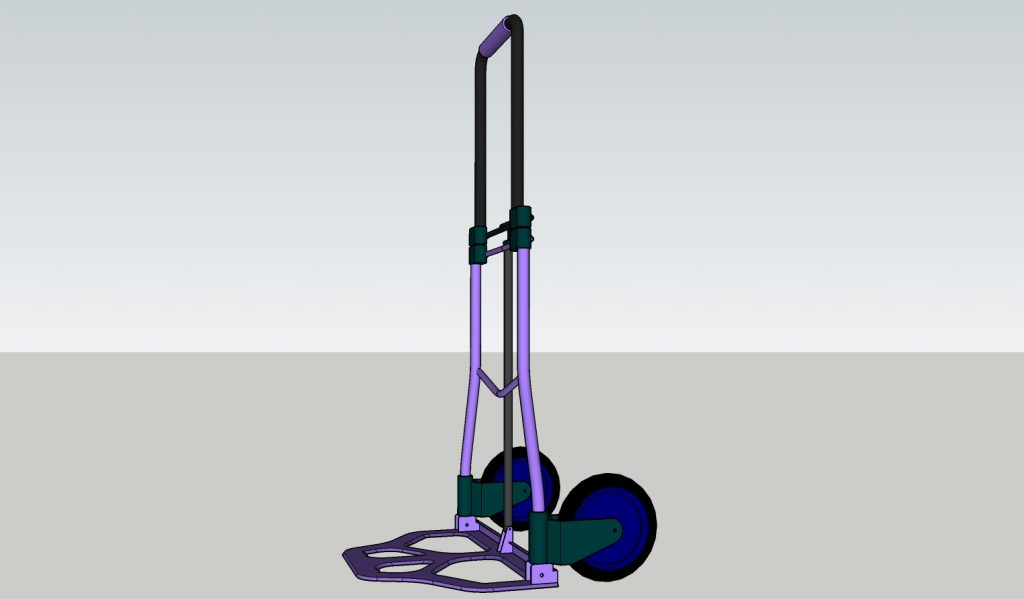
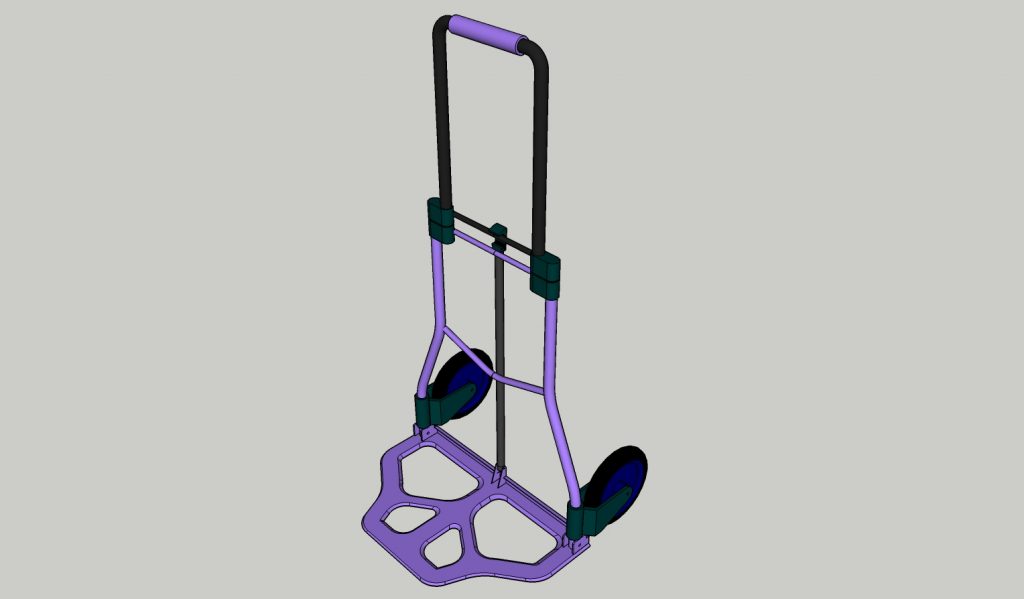
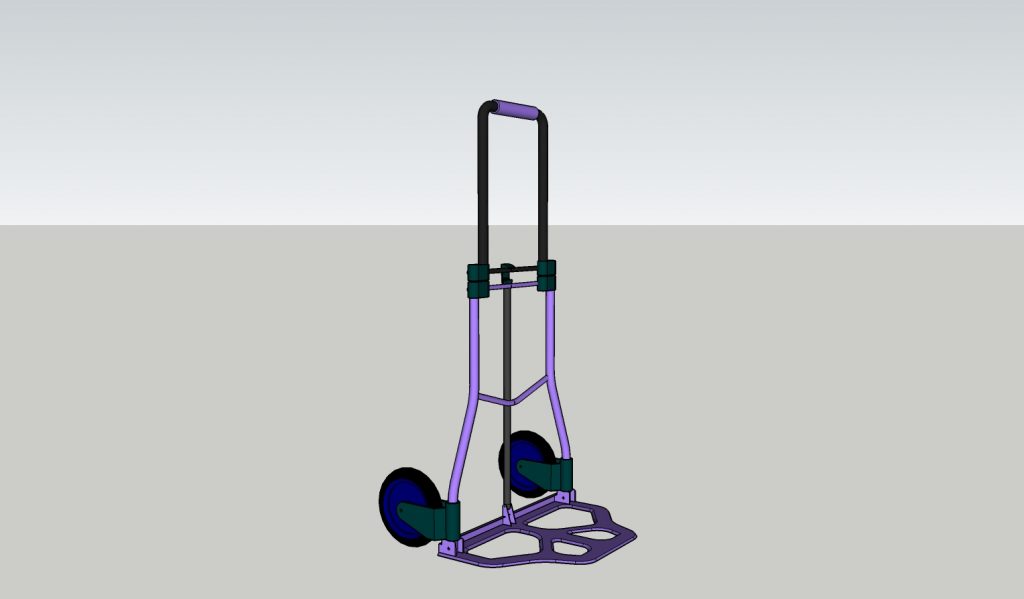
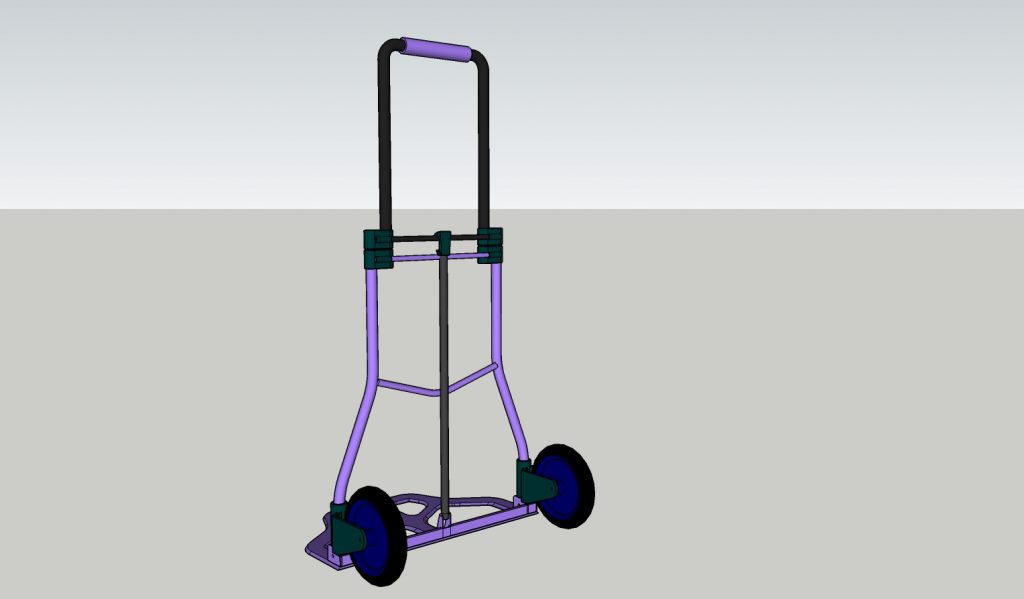
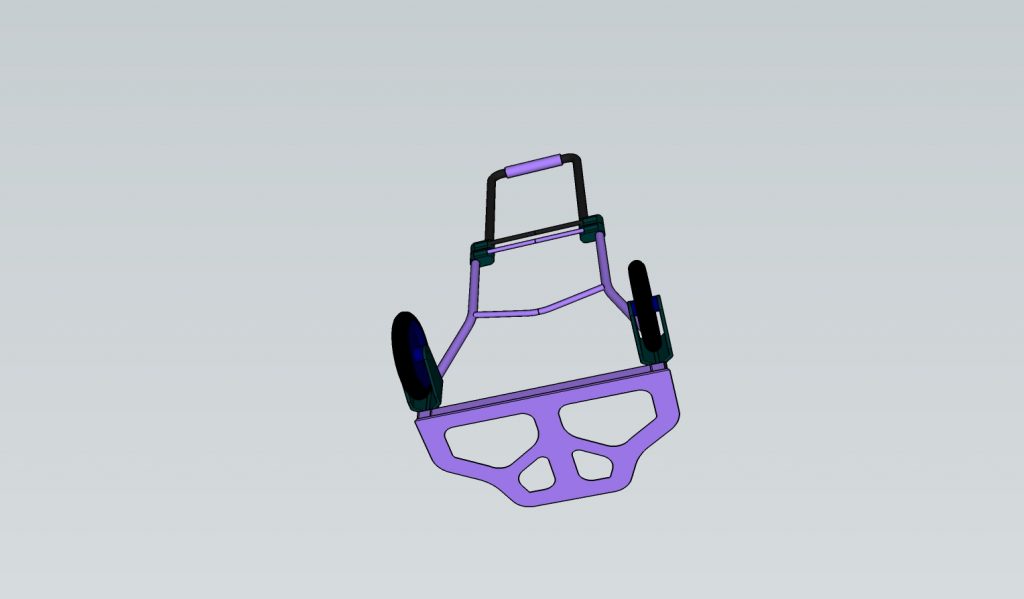
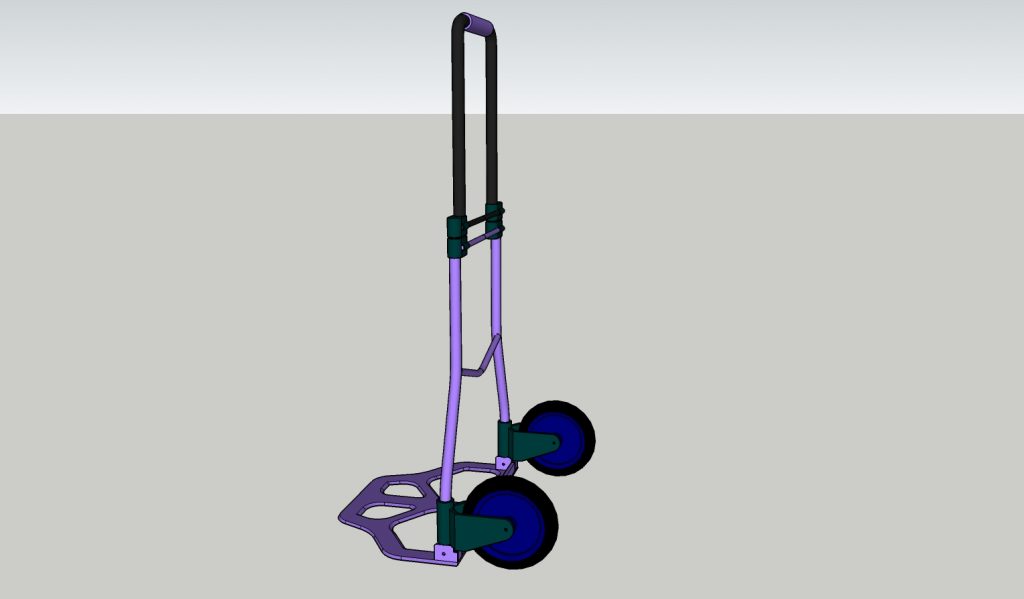
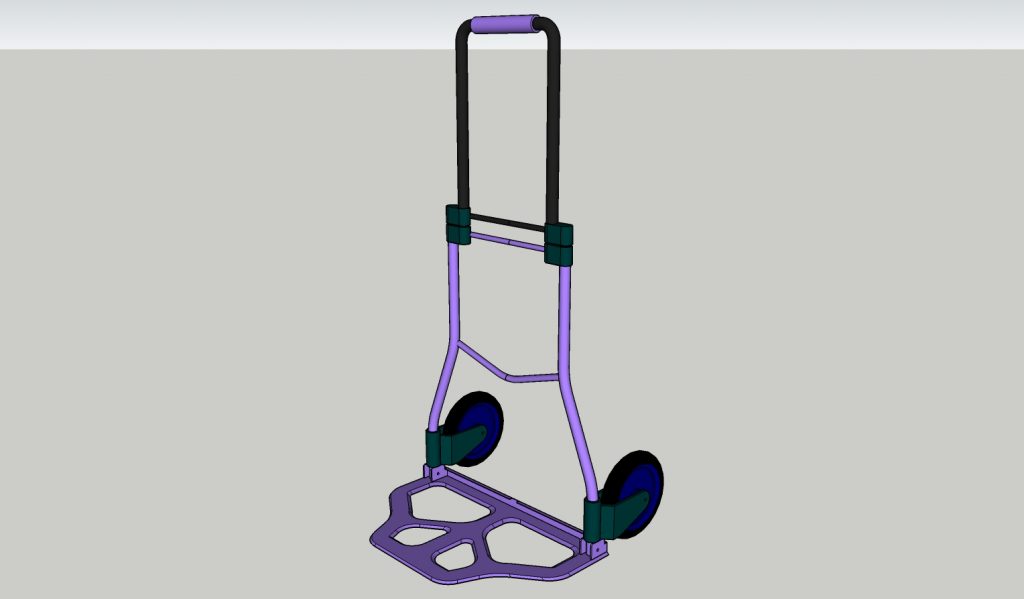
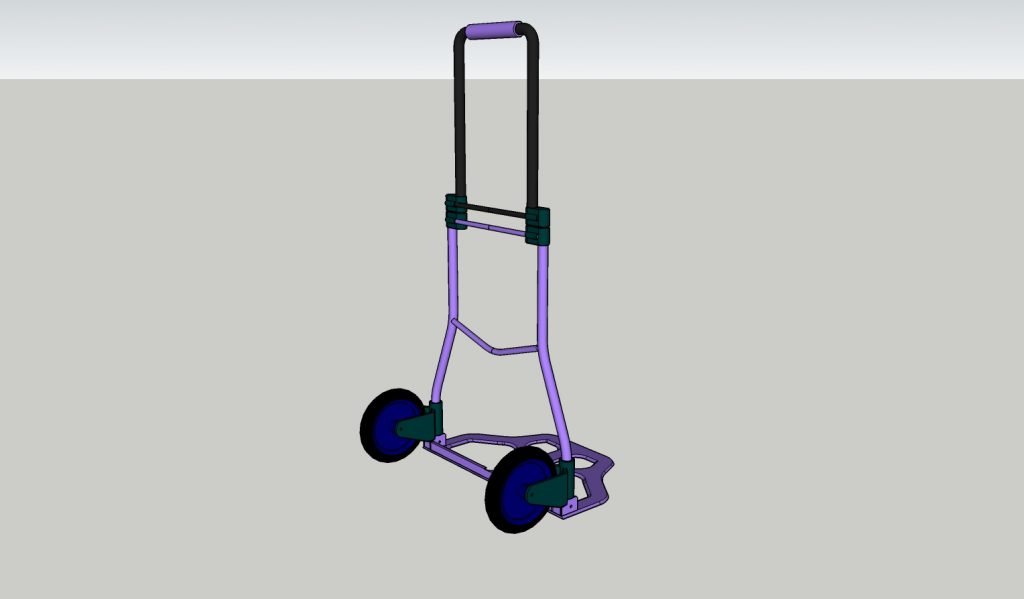
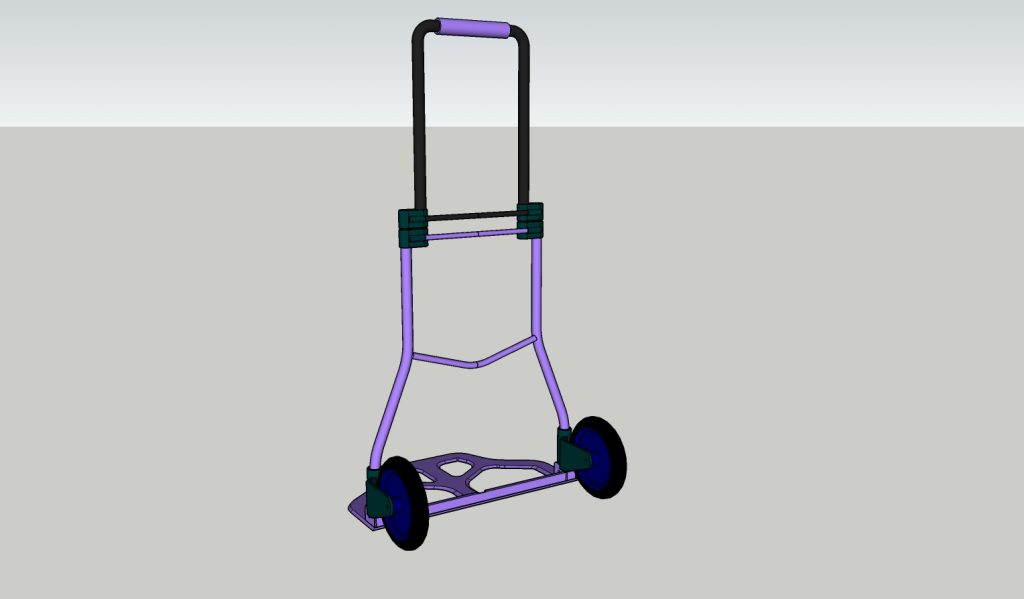
So, now having decided on the product range, I formed a design idea for the lugger. It would be a hand cart with very few movable joints, and constructed using materials that a metal fence producer would have at hand. The only complexity in the build would be the wheels. These would need to “researched”. Refer to the diagrams below for a pictorial representation of the lugger. I also have a Google Sketchup 3rd model, email me if you want it.
Having nailed (kind of) the product design, I went about trying to cost the production cost, and estimated a lugger would cost about £50. I then duly fell on my face, as the issues now presented to me were, how to finance the production, how to manufacture and who to distribute to.
Should we offer the lugger for free, and seek funding from benefactors? Should we operate on a sudo market-based system, and subsidies a part of the production costs? How would we prove the product is a success in helping Ugandans? To all these questions, I have absolutely no answers. So, with regret the Lugger languishing on a unread blog and the bugger and chugger have never been designed.
Another failure, or a chance to allow my mind to think and imagine.